

Table of Contents
What is a synthetic cell?
Synthetic cell models are engineered particles that mimic biological functions that are used in drug discovery, enzyme therapy, and potential roles in healthcare and modern biotechnological fields. It is also known as a minimal cell or artificial cell or synthetic cell.
According to Petra Schwille:- A synthetic cell should be a person-made mimicry of a biological cell. Even the smallest units of life that we find on our planet today are still greatly complex.
First Synthetic cell model
A cell with no living ancestor just grew, copied its DNA, and divided.
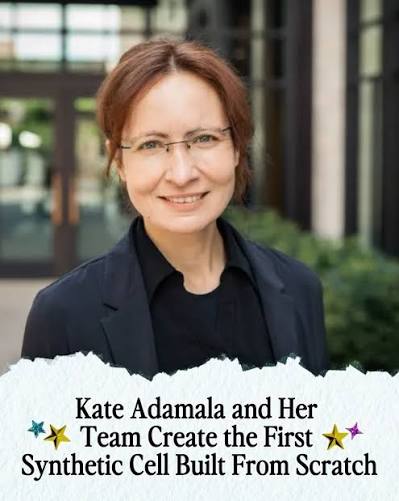
The first synthetic cell model is given by researchers led by synthetic biologists Kate Adamala and Aaron Engelhart (University of Minnesota), who announced “SpudCell.” – A cell system built piece by piece from non-living chemical components, with no natural cell used anywhere in its construction. It fed, grew, replicated DNA, and divided, completing a basic cell cycle for the first time from scratch.
This artificial cell is about 90 kbp. Smallest functional synthetic genome ever assembled—built from chemicals, not copied from nature.
Previously, it was thought the minimum criteria for a cell to sustain itself are about 113 kbp, which are required.
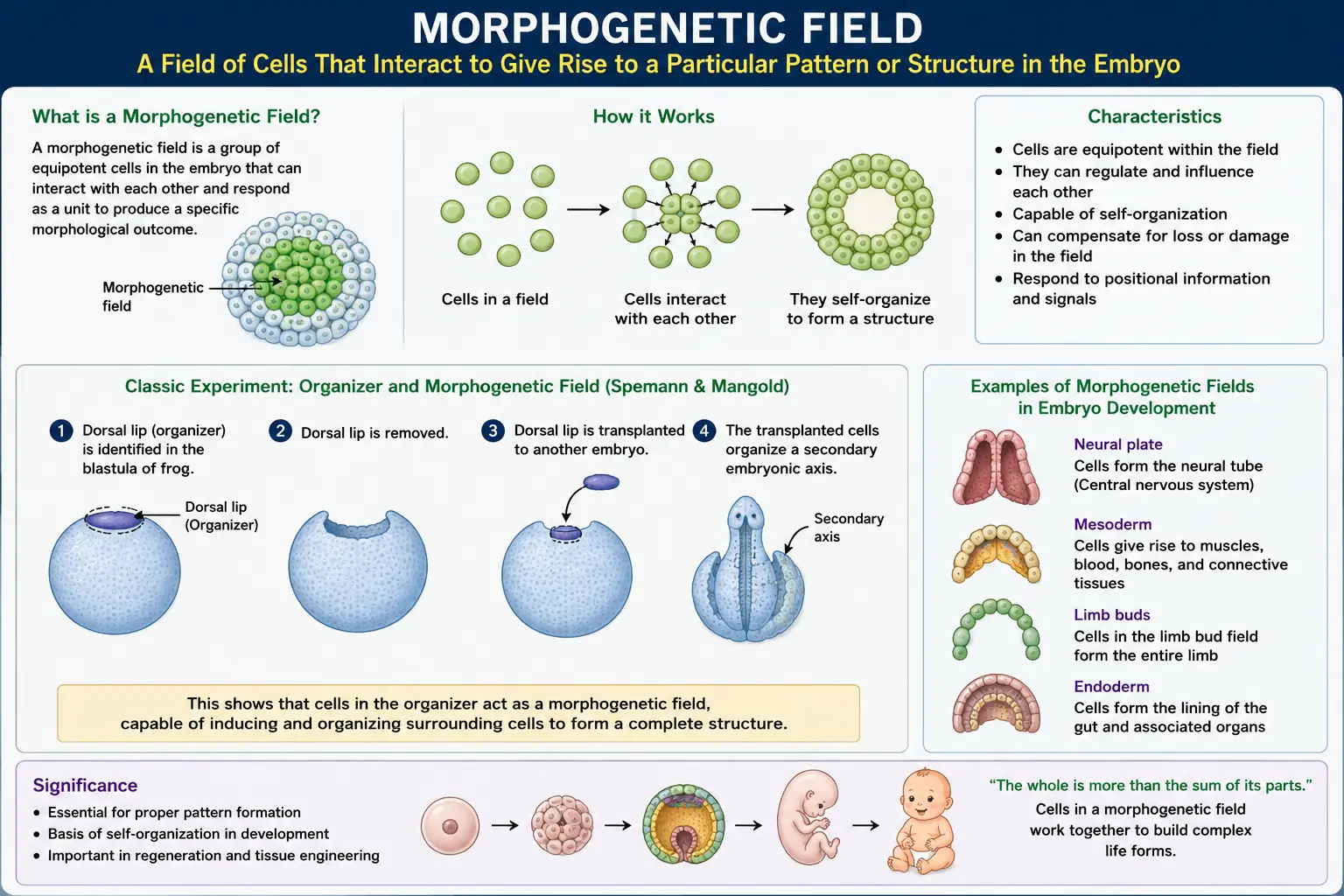
Must read: Quantum biology and morphogenetic field
History of Synthetic cell model
The first artificial cell was developed by Thomas Chang at McGill University in 1960. These cells are micro-sized and contain enzymes, hemoglobin, magnetic material, and proteins.
The first clinical use of synthetic cells was in hemoperfusion by the encapsulation of activated charcoal. The artificial cells in biological cell encapsulation were first used in clinic in 1994 in the diabetic patient.
On 29 December 2011, chemists of Harvard University reported the creation of a synthetic cell membrane.
In 2014, a self-replicating, synthetic bacterial cell with a cell wall and synthetic DNA was produced.
In September 2018, the University of California developed an artificial cell that can kill bacteria.
Not a new organism—a new construction method
Earlier, the synthetic cell milestone impressed the world by writing DNA on a computer and inserting it into an existing bacterial body. SpudCell breaks from the imagination: for the first time, the container, the genome, and the protein-making system were assembled from chemical parts with zero contribution from pre-existing living cells.
No natural donor cell was used at any stage of construction.
Genome capacity record broken- 90 kbp beats the prior assumed 113 kbp floor
Completed a full basic cell cycle: feeding, growth, DNA replication, division
Released as an open preprint before formal peer review—a governance and verification question in itself.
“This is likely the most exciting project I’ve ever worked on,” said Adamala. “We’ve replicated in chemistry what only used to be possible in biology: the complete set of behaviors of a cell. It proves that the most fundamental functions of life, like growth and replication, do not need a mysterious magical spark.”
Characteristics of SpudCell
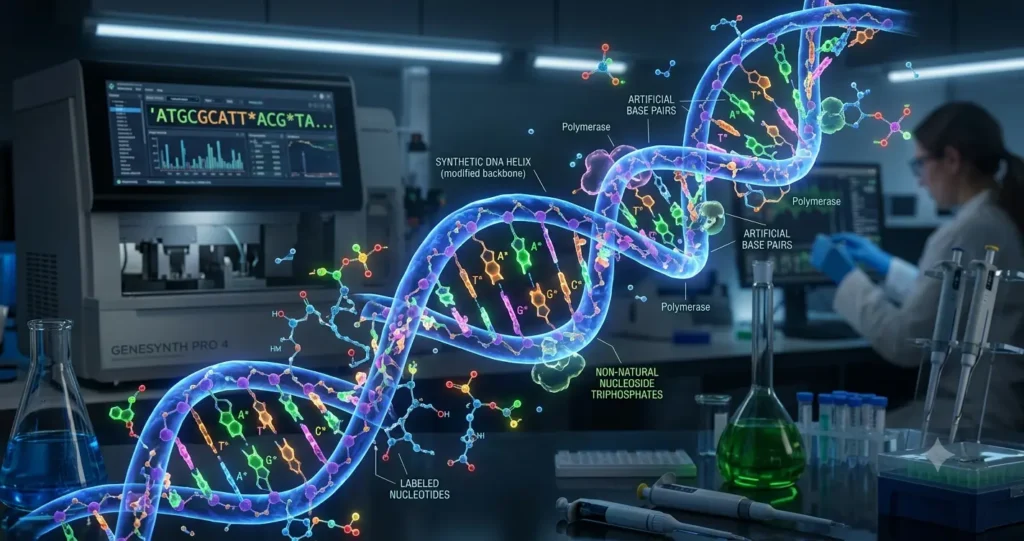
- Replicates a biological cell’s life cycle: SpudCell is able to select, replicate a genome, grow, and genetically encode division.
- Cell division without a cytoskeleton: Natural cells divide using internal scaffolding called a cytoskeleton, which has been a bottleneck in synthetic cell research.
- Selection and competition: Researchers introduced a genetic change that increased production of the fusion protein, resulting in cells that grew faster and produced more offspring. After five generations, the faster-growing variant had outcompeted the original.
Synthetic biology in India
Synthetic biology research in India is concentrated in only a small number of institutions and research groups, unlike the broader fields of life sciences and biotechnology, which have a much larger research base. Given the interdisciplinary nature of synthetic biology, it could be expected that India would have some centers specializing in synthetic biology or interdisciplinary groups working in it across institutes. But this has not happened.
Also read: List of diseases treated by stem cell
At present, there is only one center that calls itself the Center for Systems and Synthetic Biology, based at the University of Kerala, Trivandrum. The special interest group on synthetic biology in India, Synjeevani, is based at Jawaharlal Nehru University, New Delhi. There are individual scientists and groups working on different aspects of synthetic biology in some institutes, including the Indian Institutes of Technology (IITs), National Centre for Biological Sciences (NCBS), Council of Scientific and Industrial Research (CSIR) laboratories, and central universities like Jawaharlal Nehru University. For promoting India-Finland joint research in synthetic biology, the Department of Biotechnology (DBT) had called for proposals for this.
FAQ
What is a synthetic cell?
A synthetic cell is an artificially engineered cell-like system created from biological and chemical components. Unlike natural cells, synthetic cells are built in laboratories to mimic specific cellular functions such as metabolism, communication, protein production, or self-replication. They are used to understand the principles of life and develop new biomedical and industrial applications
How are synthetic cells different from natural cells?
Natural cells are living organisms that have evolved over billions of years and can grow, reproduce, and adapt independently. Synthetic cells, on the other hand, are designed by scientists using lipids, proteins, nucleic acids, and other biomolecules. Most synthetic cells perform only selected functions and do not possess all the characteristics of living cells.

1 thought on “Humans create life! World’s 1st Synthetic Cell Model”
Pingback: Unraveling the List of Diseases Treated by Stem Cells: Breakthroughs in Modern Medicine - Science Toppers