

Table of Contents
Morphogenetic field– Unlike electromagnetic energy, it interacts with biology through principles made clear in the well-researched field of organic chemistry. Subtle energy and its many puzzling features make empirical categorization a more complex study. Timeless descriptions of a universal life force informing the mind and body permeate the healing doctrines of all human civilization except for contemporary medicines.
A philosophy blinded by its successes and the appeal of scientific materialism. Countless healing medalities that have been scoffed at by modern healthcare now have a scientifically valid foundation in physics to explain the presence of subtle energy moving in the body and how the mind creates health.
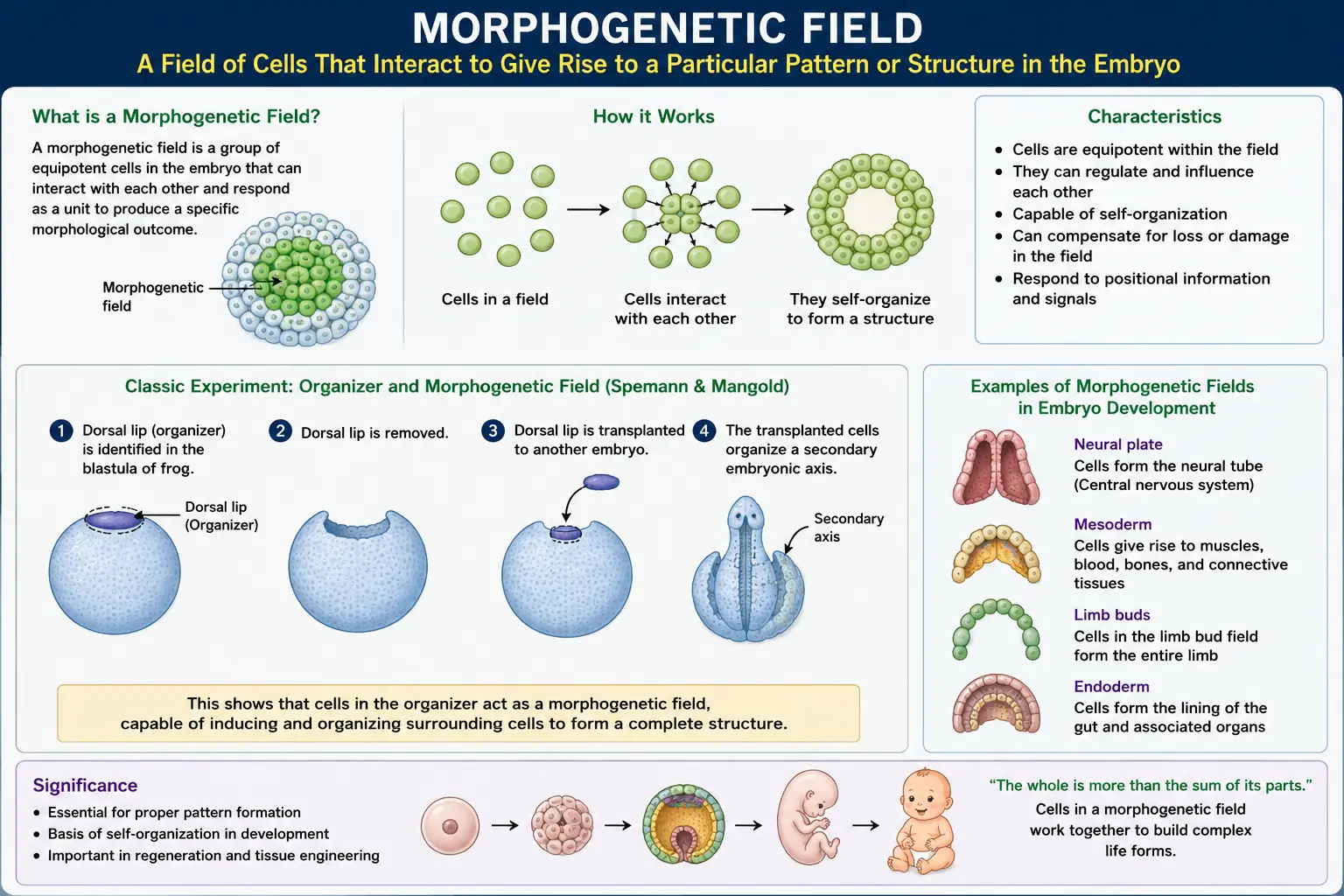
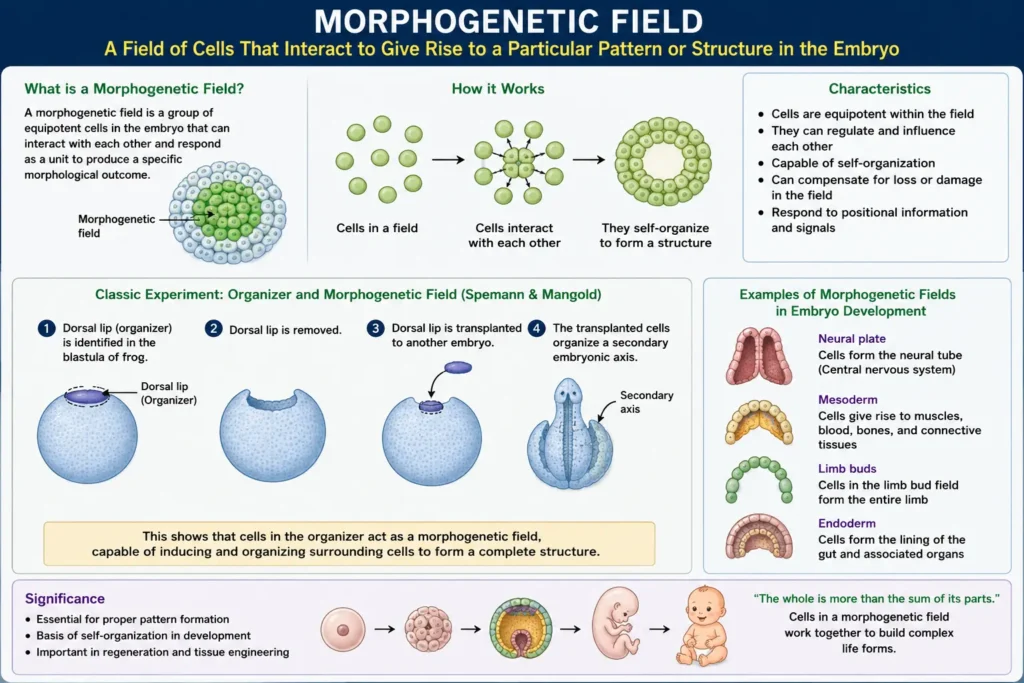
What is a morphogenetic field?
Morphogenetic fields are invisible forces that guide developing embryos into the magnificent, complex organisms that comprise the plants, animals, and mushroom kingdoms. The concept of the morphogenetic field was made popular by cell biologist Rupert Sheldreke , in his 1981 book, A new science of life, but it was actually first introduced in 1910 by Alexander Gurwitsch while studying embryonic development.
Understanding how and why organisms take shape the way they do is fundamental to understanding life, the universe, and everything. This process of morphogenesis is still a huge mystery in developmental biology.
What is morphogenesis?
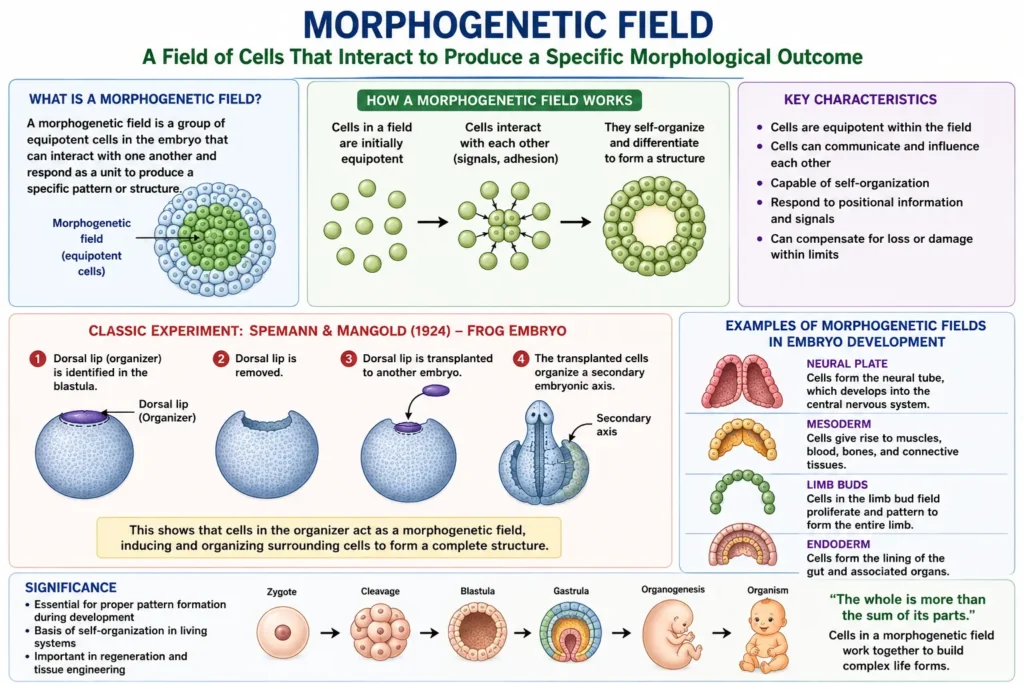
Morphogenesis is a word coming from the Greek word “morphine,” meaning “form” and “genesis,” meaning coming into being. “Morphogenesis is the biological process of how a developing organism takes shape.
Morphogenetic fields are hypothesized as the visible pattern-forming agents, which guide the biological process of development from embryonic globs of potential into fully structured complex organisms. It has become common to believe DNA and the genetic information stored in chromosomes are entirely responsible for the way an organism looks and operates.
How Do Morphogenetic Fields Work?
Modern biology has filled in much of the molecular detail behind this once-abstract idea. Fields rely on:
1. Morphogen Gradients
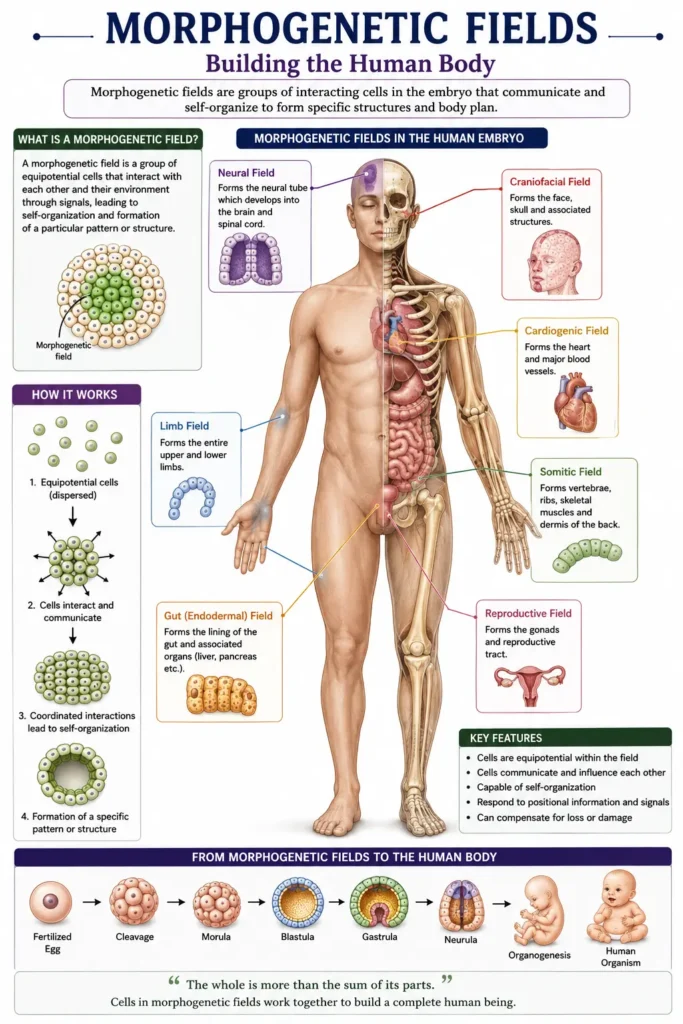
Morphogens are signaling molecules (e.g., BMP, Wnt or Shh) which diffuse through tissue and create concentration gradients. Morphogens are signaling molecules (e.g. BMP, Wnt or Shh) which diffuse through tissue and create concentration gradients. Morphogens are signaling molecules (e.g. BMP, Wnt or Shh) which diffuse through tissue and create concentration gradients. Cells estimate their position from their local morphogen concentration and adopt an appropriate fate. Cells estimate their position from their local morphogen concentration and adopt an appropriate fate. Cells estimate their position from their local morphogen concentration and adopt an appropriate fate. In the developing limb, for instance, cells can be told to become part of the thumb side or the pinky side depending on the concentration of a morphogen. In the developing limb, for instance, cells can be told to become part of the thumb side or the pinky side depending on the concentration of a morphogen. In the developing limb, for instance, cells can be told to become part of the thumb side or the pinky side depending on the concentration of a morphogen.
2. Long-Range Communication and Self-Regulation
Cells in a field do not respond to immediate neighbors only, but integrate signals over the entire region. Cells in a field do not respond to immediate neighbors only, but integrate signals over the entire region. Cells in a field do not respond to immediate neighbors only, but integrate signals over the entire region. If you remove some of the field, the remaining cells can rescale their signaling and regenerate the missing pattern. This is why sometimes half-embryos can form complete (if smaller) organisms. If you remove some of the field, the remaining cells can rescale their signaling and regenerate the missing pattern. This is why sometimes half-embryos can form complete (if smaller) organisms. If you remove some of the field, the remaining cells can rescale their signaling and regenerate the missing pattern. This is why sometimes half-embryos can form complete (if smaller) organisms.
3. Gene Regulatory Networks
Within each cell, morphogen signals activate particular transcription factors and gene networks that fix cell identity. Within each cell, morphogen signals activate particular transcription factors and gene networks that fix cell identity. These networks make sure that once a cell “decides” to become, say, cartilage or muscle, it sticks to that choice as development goes forward. These networks make sure that once a cell “decides” to become, say, cartilage or muscle, it sticks to that choice as development goes forward.

1 thought on “Morphogenetic field mystery of developmental biology”
Pingback: The Future of the World—NanoTechnology - Science Toppers